Lord of the Rings: Trading Card Game
:strip_icc()/pic212859.jpg)
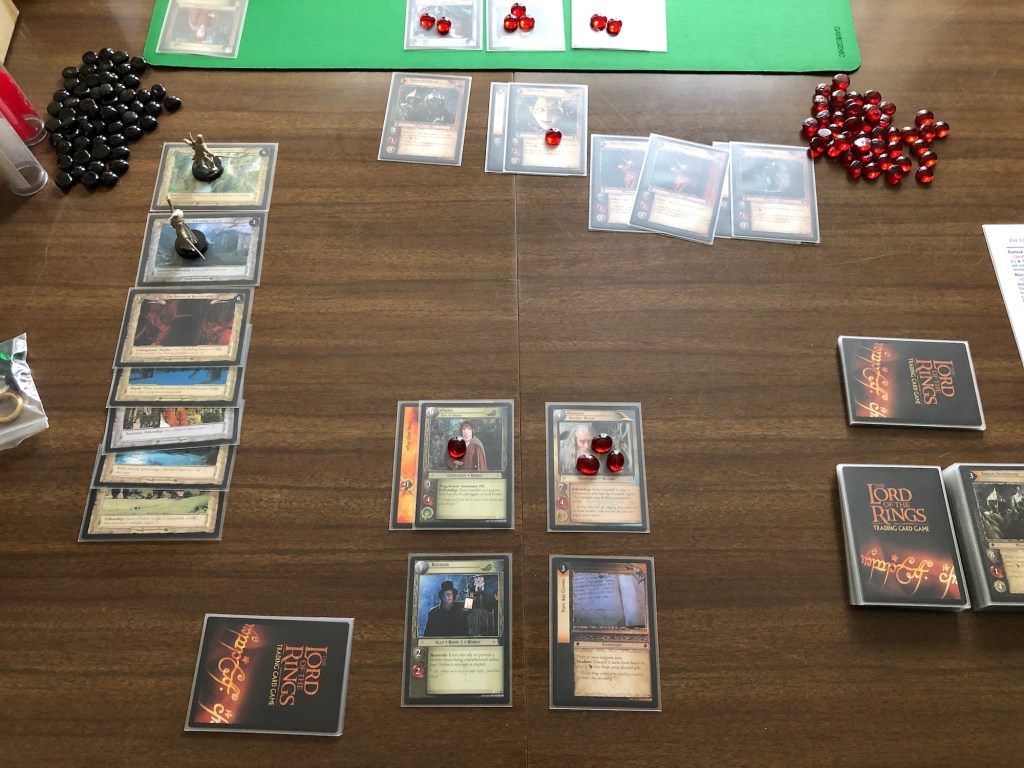
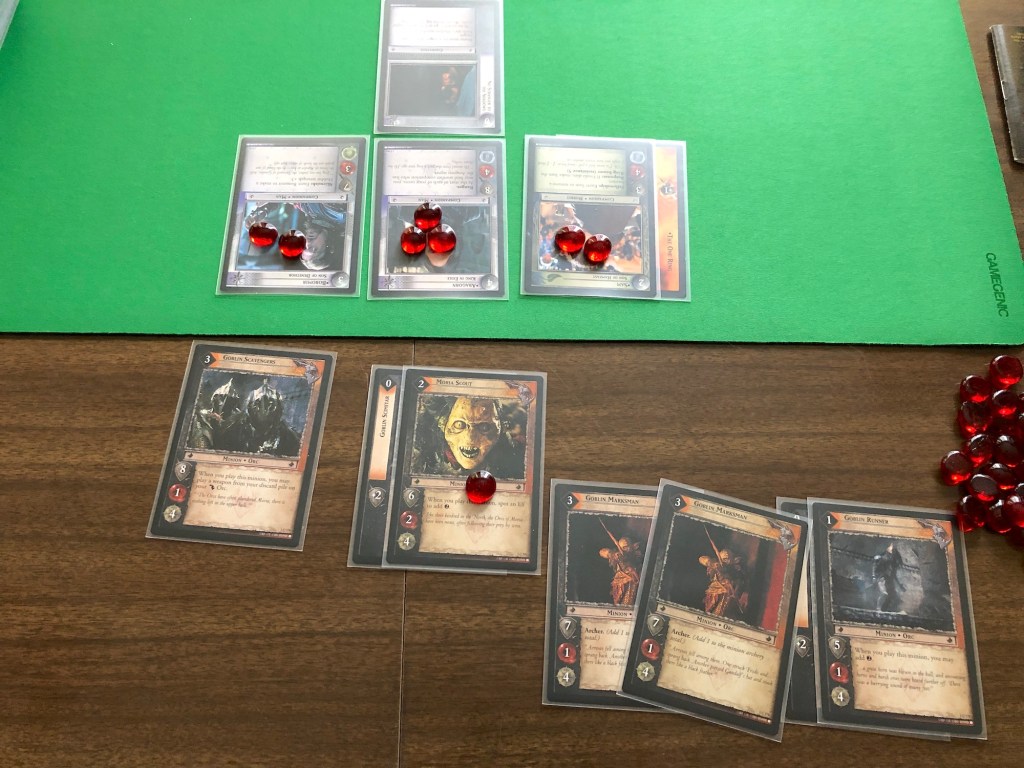
It was finally time to bring this out for a 2-player game. I hadn’t played it 2-player since back in the day when the game was active. We just played the starter decks since the game has a bit of a learning curve (not too much) and the decks are actually good for learning the game. My friend had never played before but was a big fan of the movies. He had even re-watched them recently and it reminded him how great they were.
We had actually played the Harry Potter TCG some time before this, but the starter decks for that were so awful and brain-dead lame, we still don’t consider to have played the HP TCG. It has completely changed my perspective of starter decks. The early LotR TCG decks still weren’t great for showing off the different strategies, but they do a solid job of introducing the game without being completely boring (like HP).
After this, we decided to play through the movie block, set by set. I’ll be making the decks since I have the cards and am familiar with the game (I can also avoid all the many busted deck archetypes or build more balanced versions of them). Since the game is very well dead, we have no rush to play it, so we’ll take our time getting through it. First decks will be an Aragorn/Sauron deck (his) vs. Elves/Nazgul (mine).
- LotR TCG: 9/10 It was great playing 2-player again after so long
Lord of the Rings: Journeys in Middle-earth
:strip_icc()/pic4530974.jpg)
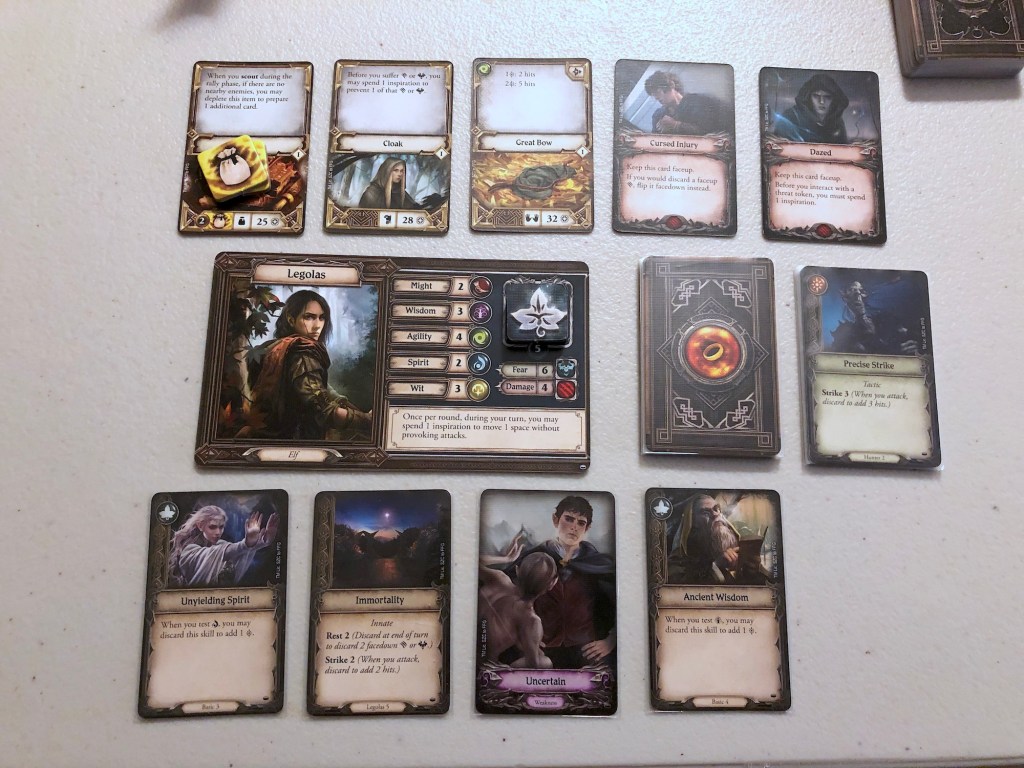
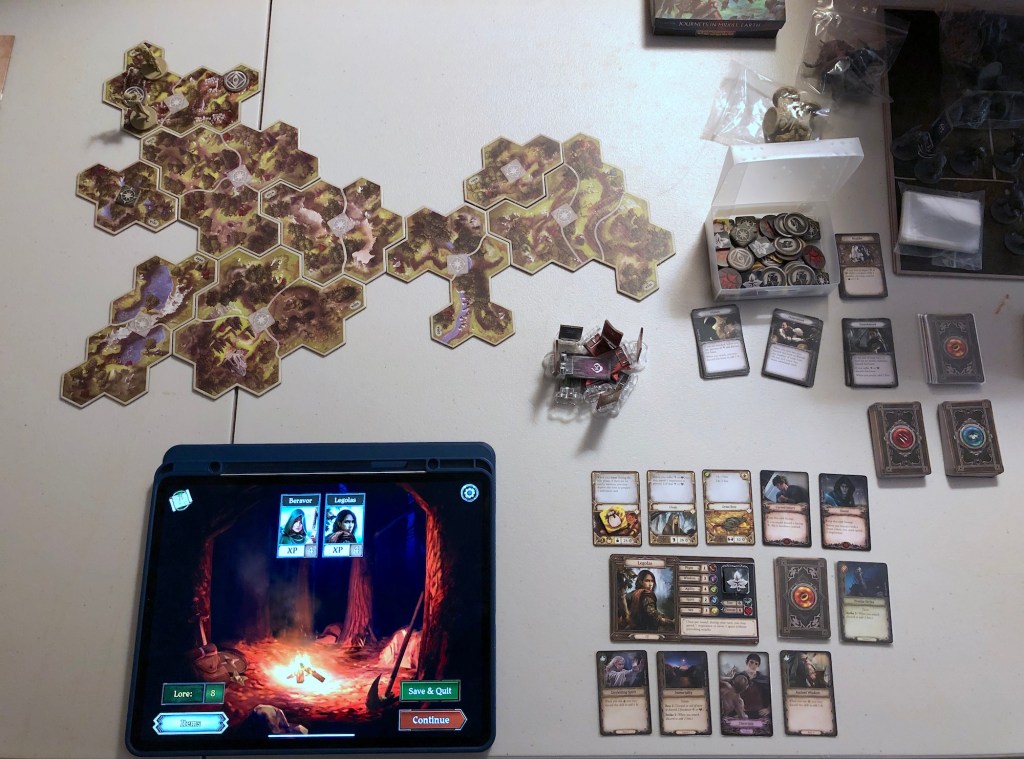
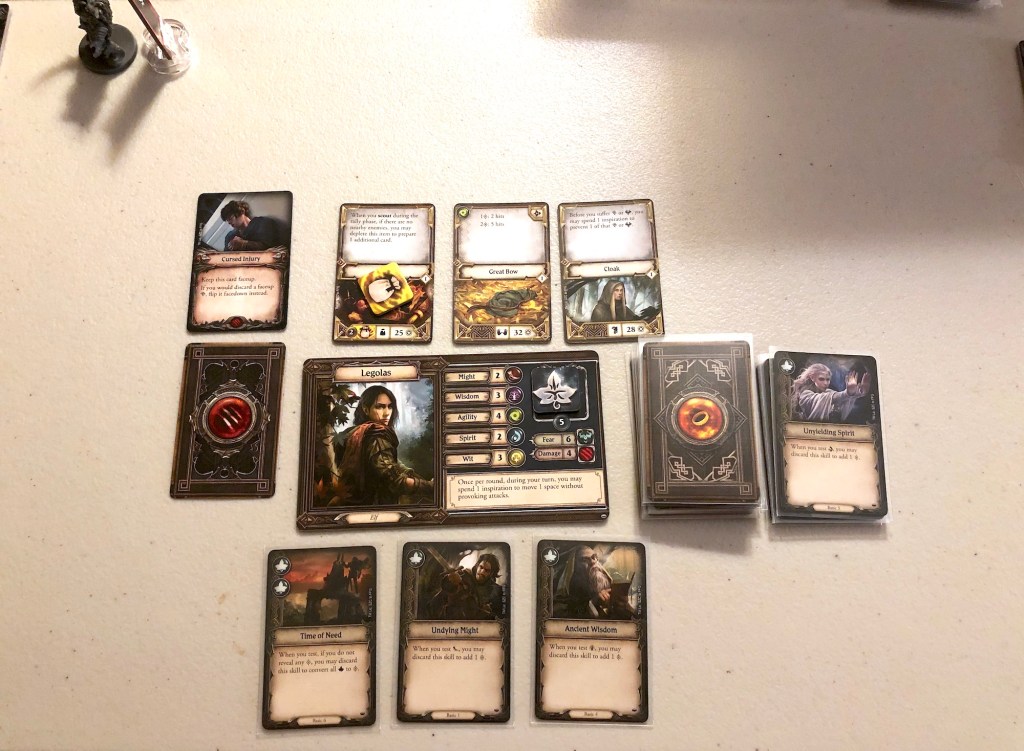
My brother and I started trying to get more games played at home 2-player. We try to squeeze in one or two plays a week in the evening. I decided to pick Journeys in Middle-earth since I was considering starting another solo campaign (probably of the first expansion). Since it was my brother’s first time with it, we just did the base game. So far, he’s been enjoying it. We’re playing on adventure mode since that’s definitely the mode he’d prefer; I’ll probably play on normal for my solo plays in the future.
- LotR Journeys in Middle-earth: 9/10 Still great at 2-player
Glen More II: Chronicles
:strip_icc()/pic5841874.jpg)
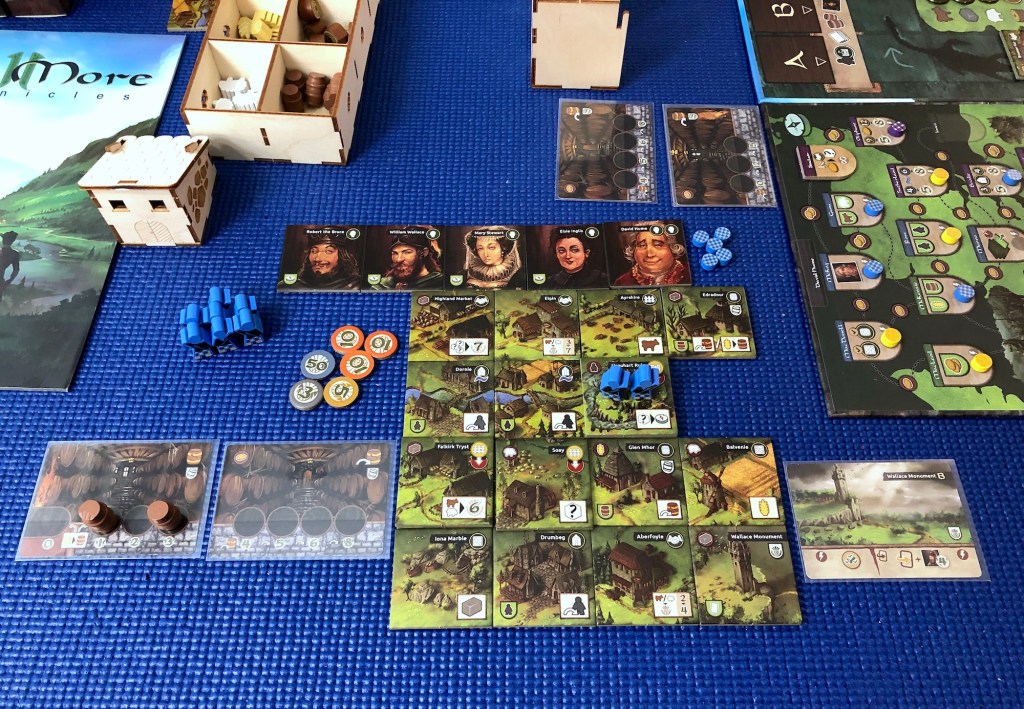
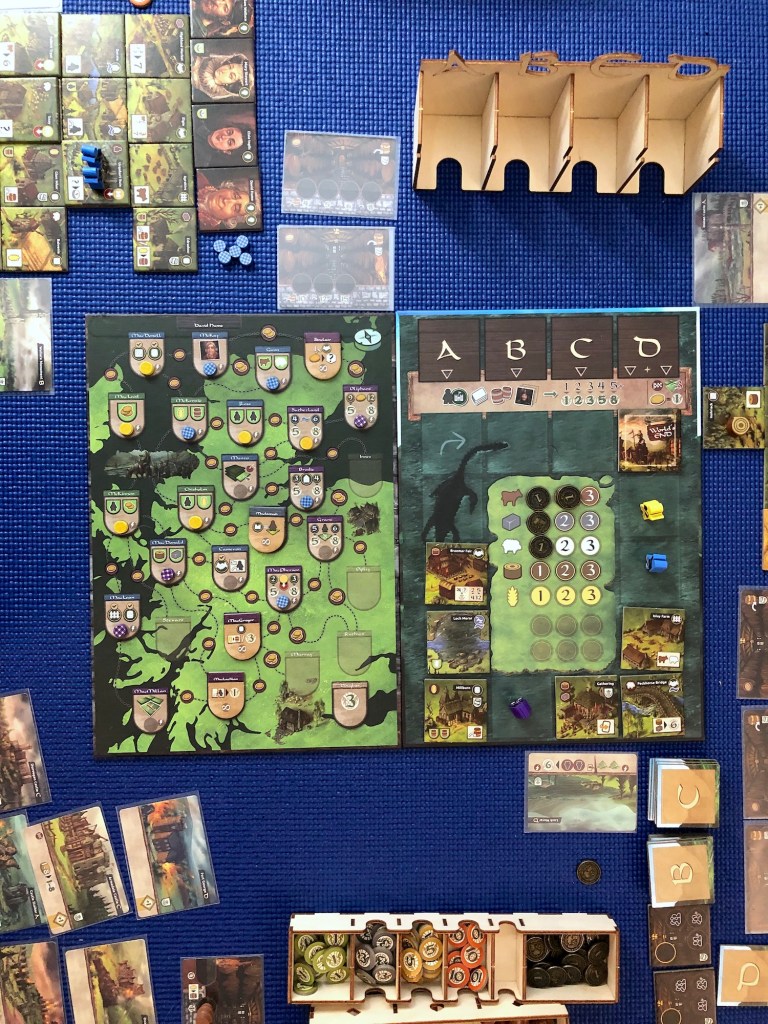
It’s been a while for this one too. This time, we added a couple of other small chronicles to the mix, the whiskey aging chronicle and the one that changes landmarks (I don’t remember the names or chronicle number).
The game is still a lot of fun, but I think I’m a bit lukewarm on the two chronicles. The landmark one might be too powerful; if you don’t get in on them, you’re likely going to fall behind. But I also had a lot of competition for the people tiles, and I struggled finding anything that wasn’t getting gobbled up. All I could do is try to sell resources for points.
- Glen More II: 7/10 A really smooth, fun game with lots of chronicles to explore
Gudnak
:strip_icc()/pic7876406.png)
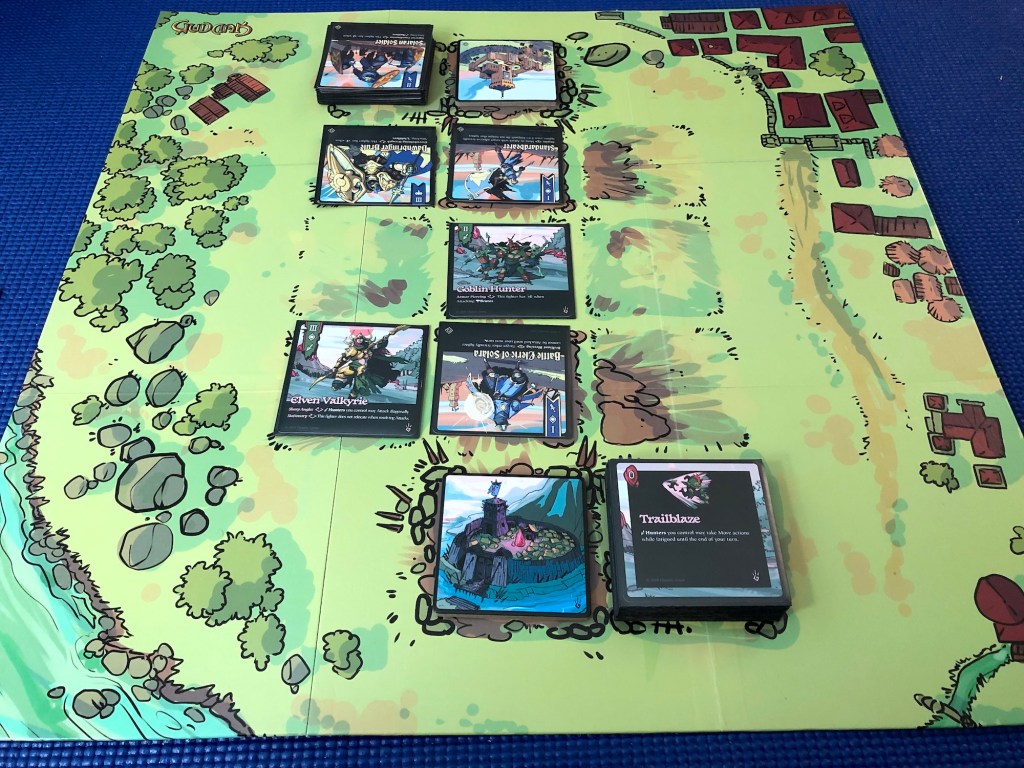
My friend has been looking at more competitive card games, especially non-collectible ones, and this popped up at just the right time.
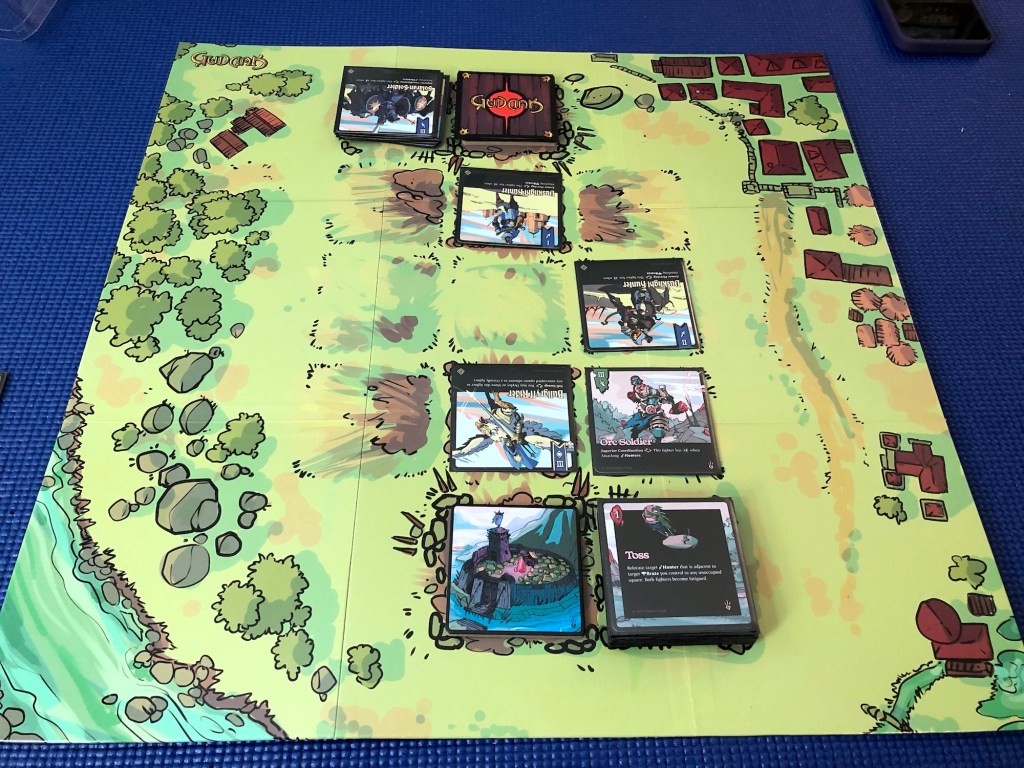
While it’s another one of those “like Chess but with cards” kind of games, it actually is very streamlined and more Chess-like than a lot of them. Every action has to be carefully considered. The art’s kind of kooky but not bad. We only played starter decks this time, but we’ll probably build our decks next time.
- Gudnak: 7/10 (first impressions) A fun, tactical card game with easy deck-building
Millennium Blades
:strip_icc()/pic7455420.jpg)
There was a recent sale for this and my friend grabbed a copy after asking me about it. While it doesn’t really play like a trading card game, it does a pretty fun job of exploring the theme, and now my friend was more versed in that world.
My brother was still unsure about the real-time aspect and decided not to play. Unfortunately, that meant we had to use the 2-player rules which changed things up, primarily removing scoring and just making it a best-of-3 game (which actually does make it a bit more like a TCG). The real-time part really isn’t that strict, and you quickly get the hang of things. By the end of each real-time phase, my friend and I actually had time to spare after finishing our decks and collections (and running out of money).
The art is… fine. It lands more in “cartoony” than “anime” despite their best efforts. And while there’s a bit of take-that in the game, it was ultimately pretty minor, and would be easy to just not use. Your deck has to be pretty small (it’s really just a hand of cards used during the tournament phase), so it’s not like you’d need to use them. The tournaments were fun where you finally get to test the little engine you built during the first half of each round. It’s also interesting that you can improve or completely change your deck for each tournament; you get to look at so many cards during the real-time phase.
- Millennium Blades: 7/10 (first impressions) Fun and very different; I could see this going up with more plays


Hubworld: Aidalon
:strip_icc()/pic8454145.jpg)
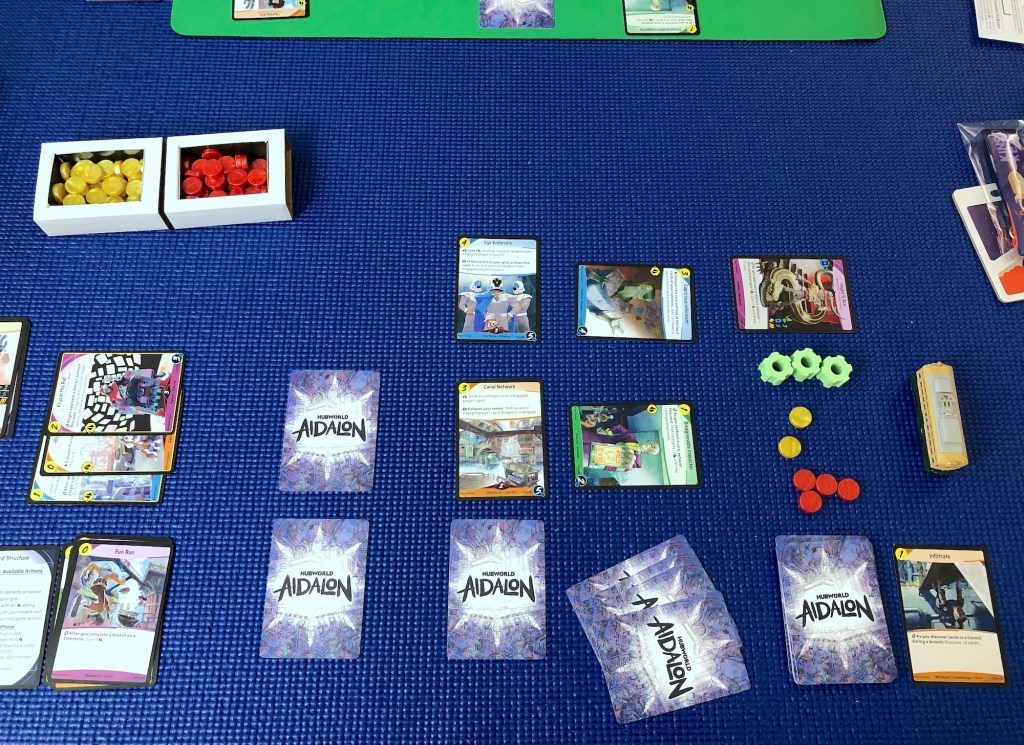
As soon as Team Covenant had covered this and the demo decks came in, I was dying to try it out. We had never actually gotten around to trying out Netrunner (though I’ve watched a number of videos on it), but we were both very interested to see what Hubworld did. We had to improvise the tokens. I had some tokens that worked for shards and heat, but we needed action markers (borrowed from Galactic Cruise) and a first-player marker (just a toy train from Japan).
It certainly shares a lot of DNA with Netruner, it streamlines a bit and also removes the asymmetry, so you don’t need to learn 2 games at once. For demo decks that aren’t finalized, they play really well and they look great. The art has really grown on both of us; the world has a lot of character and detail to it. And the decisions can be very tough and nuanced. Sometimes, just taking an extra shard (money) or drawing a card is the right call. Also how you build your grid matters, but don’t forget you can just move a card as an action!
- Hubworld: Aidalon: 8/10 Can’t wait to play again, and definitely want to see more
Monumental Duel (Exploration)
:strip_icc()/pic8183753.png)
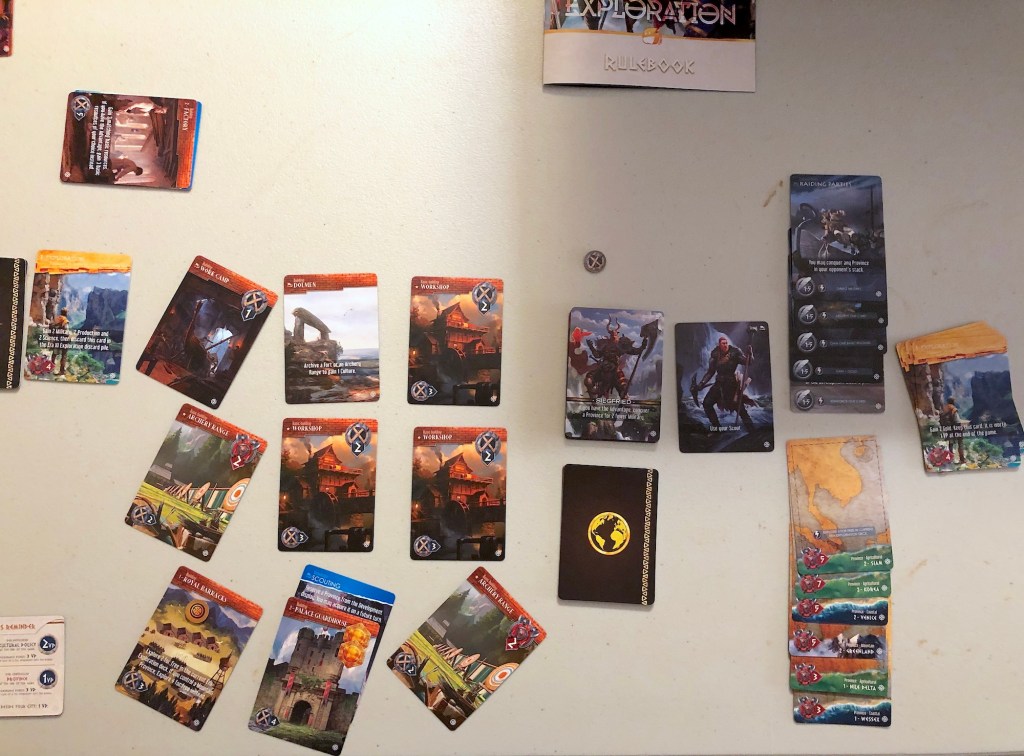
My brother borrowed this to try out since it’s 2-player only. We played a couple of times.
The system is really neat, and I like the variety of things to do and different ways to build your deck. Though, it’s quite the table hog for such a small card game (the box is small but could have probably been even smaller). Lots of cards displayed all over the place; my photo is only of my player area and two discard piles on the left.
The downside is that, clearly, the small amount of cards are spread too thin to make up all these offers and decks. Both games felt pretty similar, and you’ll be able to do most things in the game. Very few cards actually get discarded from the offer; most get bought up to replace your starter cards (which are pretty easy to cull from your deck). So after two games, it doesn’t feel like there’s anything left to explore in the game. It feels pretty played out other than mixing boxes and trying different factions.
- Monumental Duel: 7/10 A neat system with almost no replay-ability in a single box; you need to buy the other Duel releases
Lord of the Rings: Journeys in Middle-earth
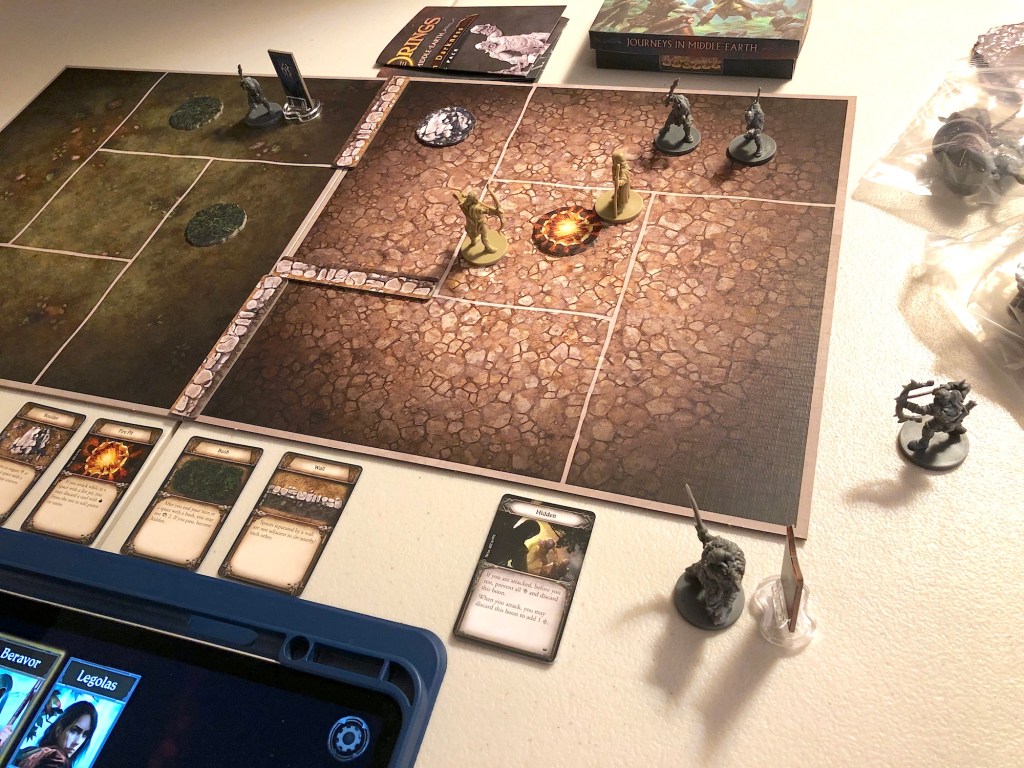
We continued our 2-player campaign. This was the first battle map of the campaign. I like that some scenarios are shorter, with a more “zoomed-in” encounter. I knew what to expect this time and things went better.
Galactic Cruise
:strip_icc()/pic7556818.jpg)
Hubworld: Aidalon’s action tokens are from a real game!
While this certainly has the look and gameplay of a Vital Lacerda (and not by accident), it’s actually smoother than his more recent games (though we’ve not played his most recent).
There’s definitely a learning curve, as is the case with any heavy Euro, and it could have used a bit of streamlining (lots of “get a little bonus here, get an extra resource here” everywhere, it’s almost hard to keep track of), but things felt a lot easier after a while. We were able to launch a lot more cruises by the end, and I barely squeaked the resources together to launch another one on my last turn.
There’s not much to mechanically set it apart from most modern Euros, especially Lacerdas. But the developments that you sprinkle around the main action area are interesting, letting you build a limited network of linked actions while also acting as setups for what actions you can take when you need to recall workers. I kind of wish the game had leaned more into this system as it’s the part that’s most unique to the game.
- Galactic Cruise: 7/10 (first impressions) A pretty solid heavy Euro overall


Lord of the Rings: Journeys in Middle-earth
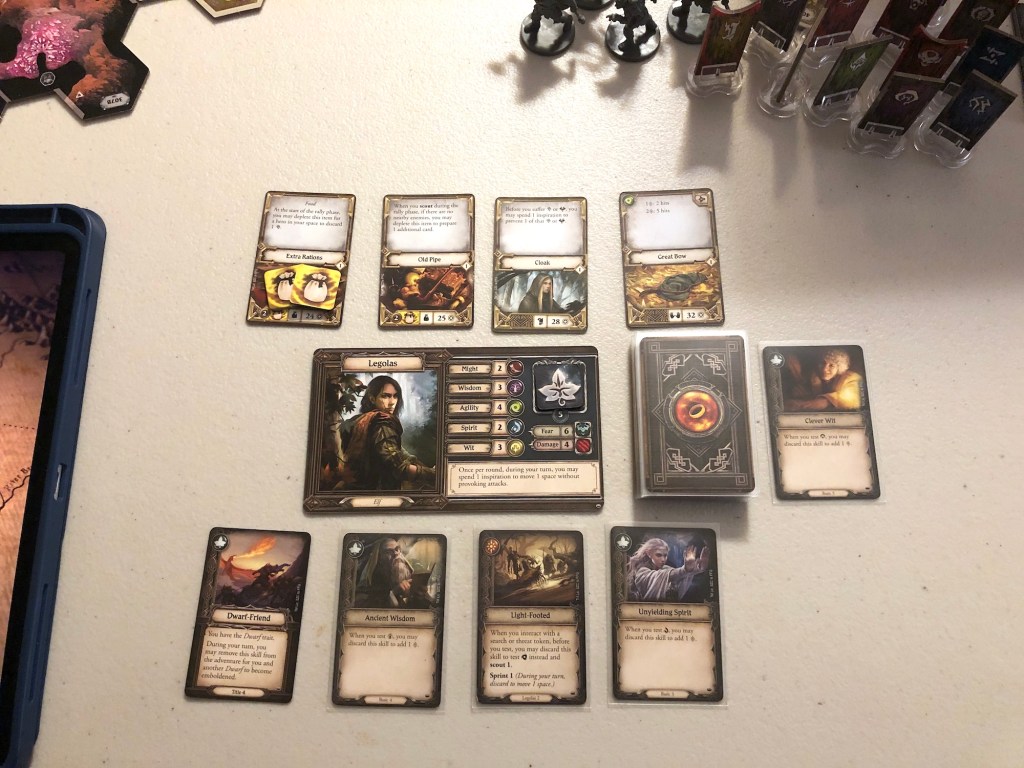
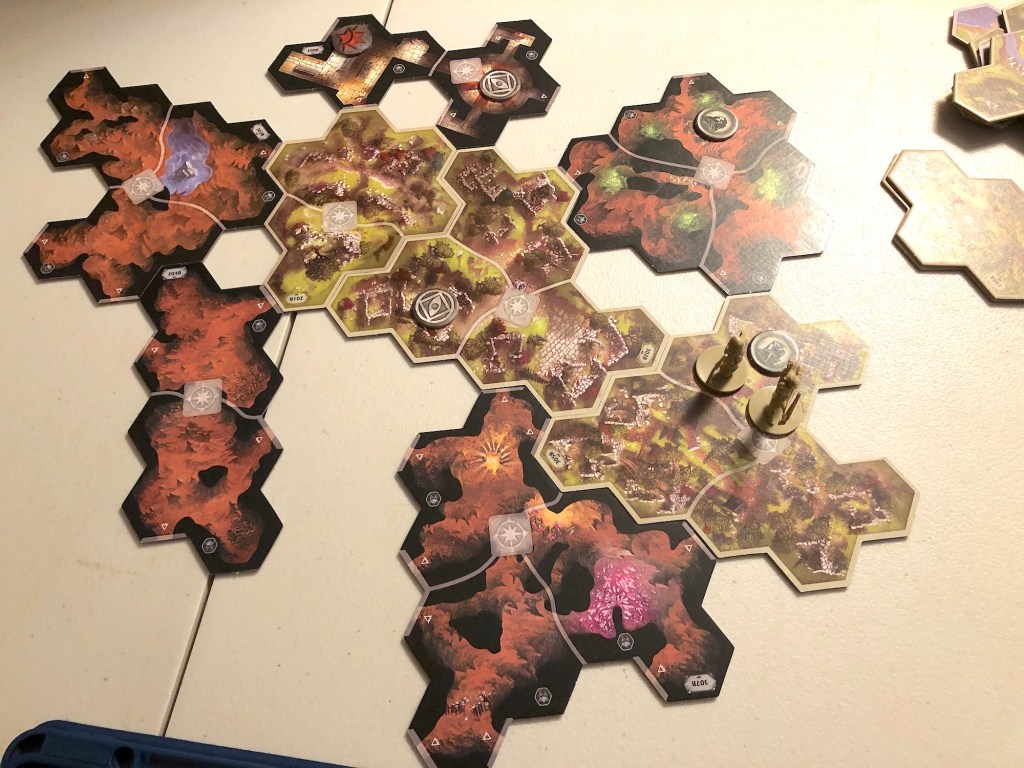
The third scenario is when the game properly opens up, giving you more freedom and more things to do. While it’s certainly not as large as some of the other maps, it’s the first one to introduce side quests where you can earn extra lore, titles, or items. By the end of this one, we earned our second trinket and a title (Legolas is appropriately the Dwarf-friend).
Summit
:strip_icc()/pic3455804.jpg)
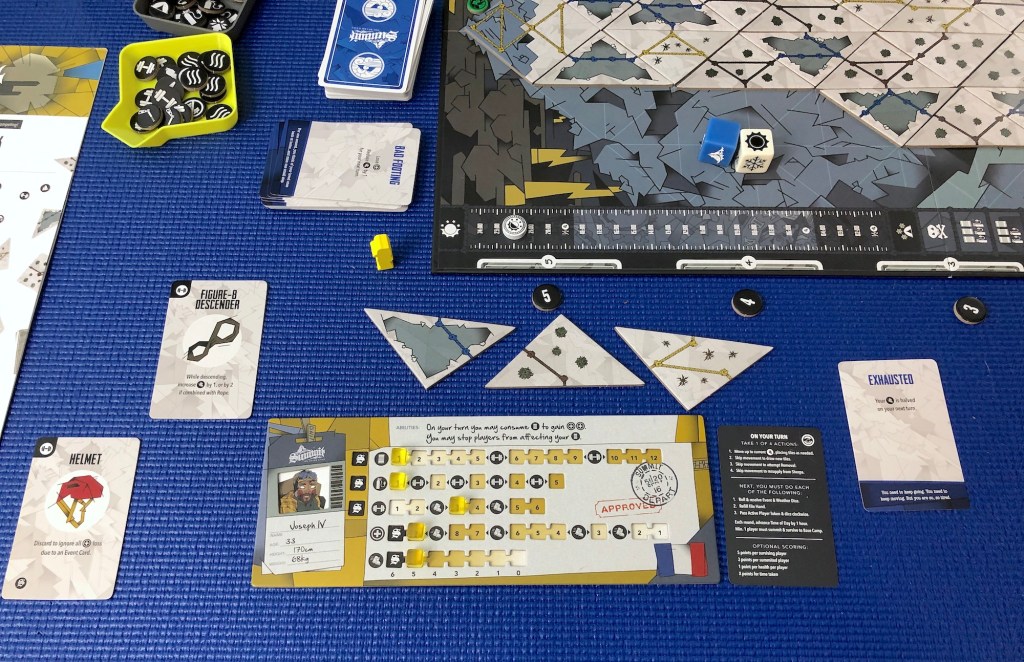
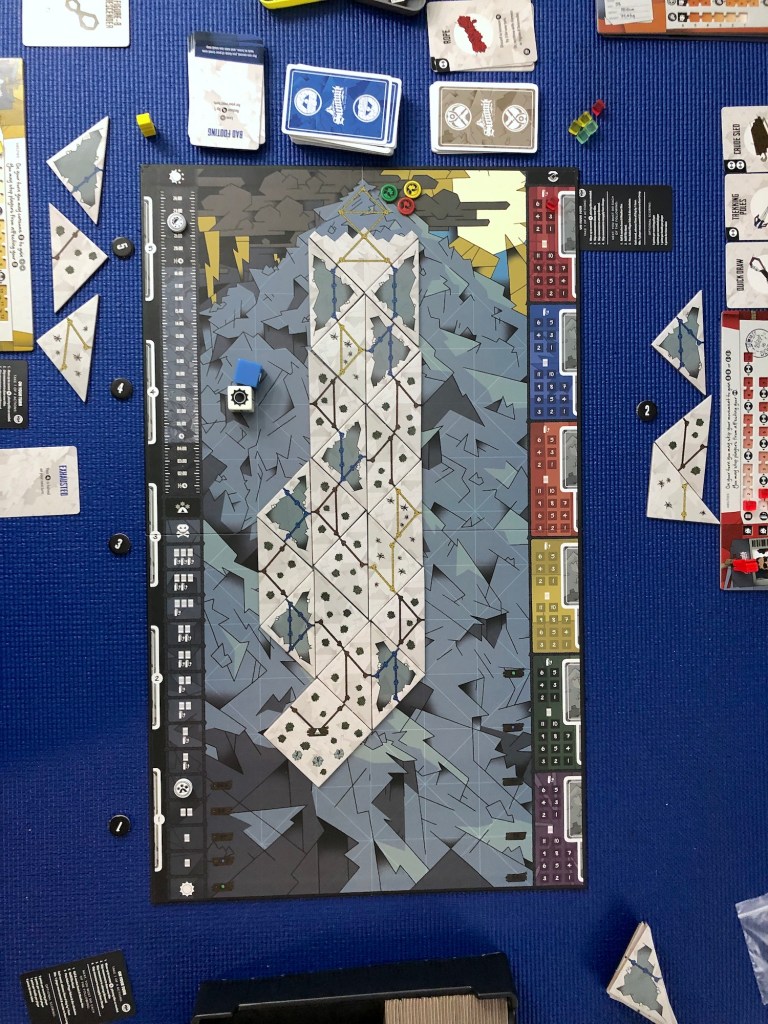
My friend and I really get into survival themes, so he was very excited to finally get this to the table after owning it for years unplayed.
Firstly, the rulebook is deceptively terrible. It’s not great while reading it (it repeats itself a bit too much, has some organization issues, image examples aren’t great, and uses the tiniest icons you’ve ever seen), you don’t fully appreciate how bad it is until you go to play and find that maybe they forgot some rules or confused overly casual language for game terminology. And why are the Sherpas on the board away from the players instead of giving each player their own Sherpa board so they can actually read the items they have access to and reach the supply cubes?
That said, the gameplay is fine. Despite all the rules—and there are a lot of rules—it’s really not a complex game. They just do a poor job explaining it. However, as a co-op, there’s pretty limited ways to actually cooperate. Sometimes, you draw your hand of tiles and realize they’re all bad and you hope someone else has good tiles. Some of the items are also very situational and just slow you down while you wait to see if they’ll ever be useful.
And the game can be brutal. The events are wildly random. You could draw a good one and get free supplies, or your Sherpa could die (your means of resupplying and holding extra gear), leaving you hopelessly without necessary supplies. Sure, players can exchange oxygen, but you can’t trade food.
- Summit: 6/10 (first impressions) Fun despite its issues; it could really use a 2nd edition
Furnace
:strip_icc()/pic5934958.png)
After Summit, it was very amusing how short Furnace’s rulebook is, with effectively only 2 pages of game rules. It’s an incredibly streamlined game for how much crunchiness it gives you.
The auction system feels similar to Ra in that you can math out each bid and know if and when you can guarantee to get the card you want. It also has a feel of London with running the engine you’ve built, one card at a time (the setting is pretty close, too). It actually feels like a Martin Wallace game. And I love that a failed bid isn’t really “failed” because you get a reward anyway from compensation, and you can lean into it and setup a big compensation payout. And it’s a quick game for how much meat it has.
- Furnace: 8/10 A really smooth, crunchy Euro card game

Ticket to Ride: Japan
:strip_icc()/pic4943816.png)
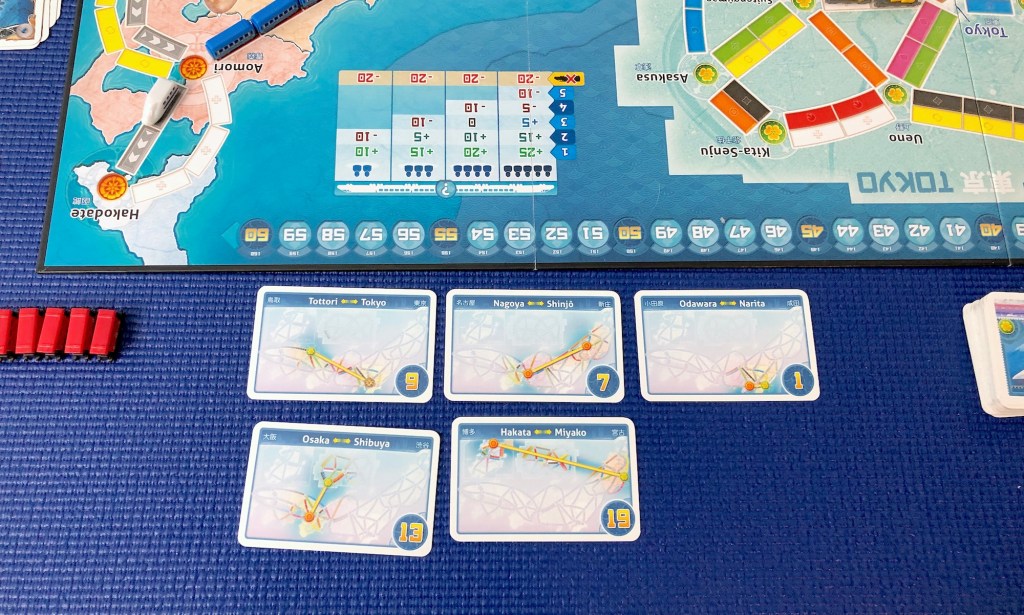
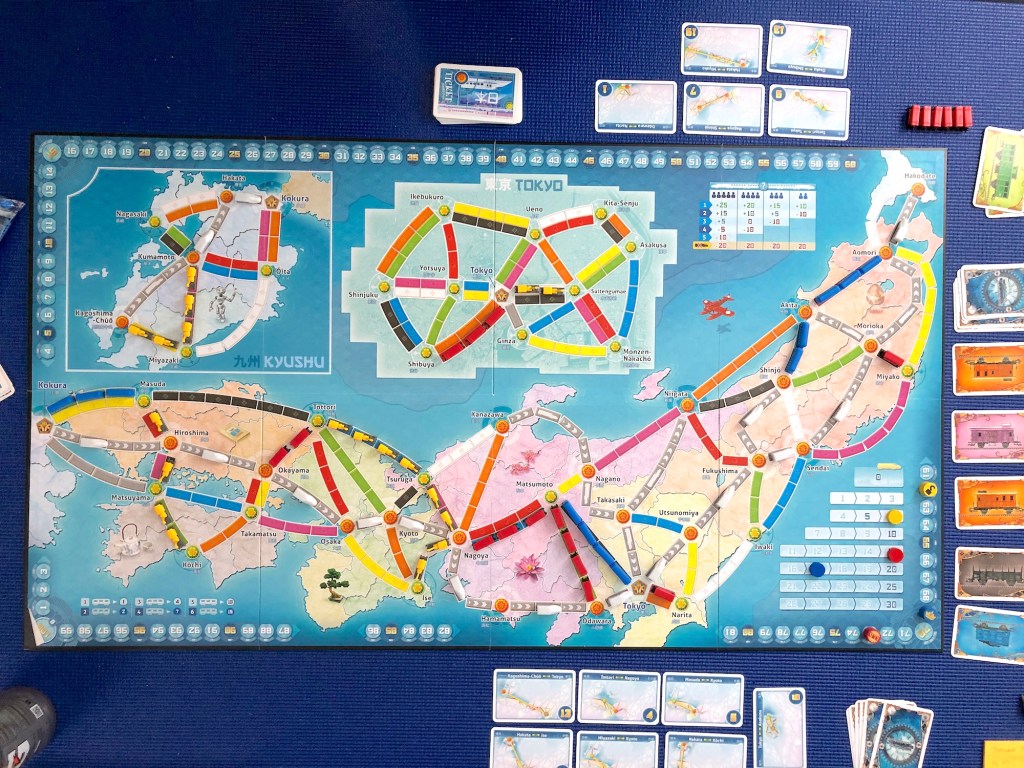
It’s been a while since we’ve played Ticket to Ride. My brother’s not really a fan of the game but is willing to play it. I enjoy it but it’s not a favorite; it’s just very light. My friend has some nostalgia for it since it’s one of the earliest games he got into the hobby with. But it’s still fun.
The Japan map doesn’t make huge changes, but the bullet trains (shinkansen) were interesting. It added an almost semi-coop element with public routes anyone could use. But it still maintained a race aspect because you earned points depending on how much you helped build them. But that’s kind of all the map did. The “zoomed-in” cities were probably just a way to cheat more routes into a small map.
- Ticket to Ride: 7/10 Fun but not one I gravitate towards
- TtR: Japan map: 7/10 A minor twist on the game but a neat map
Dinosaur World
:strip_icc()/pic6020854.jpg)
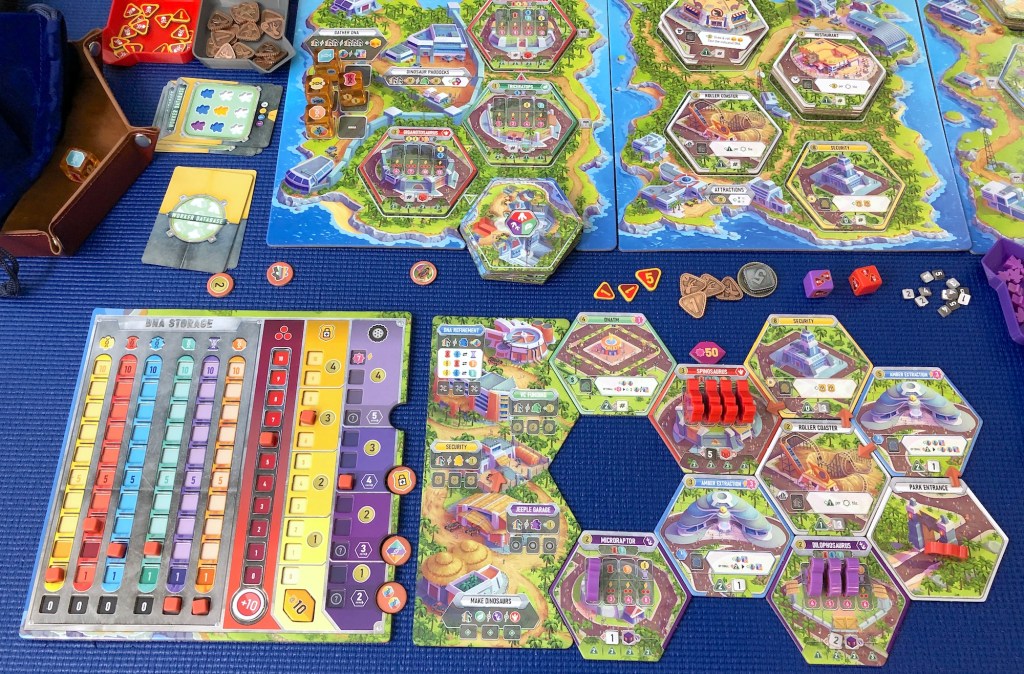
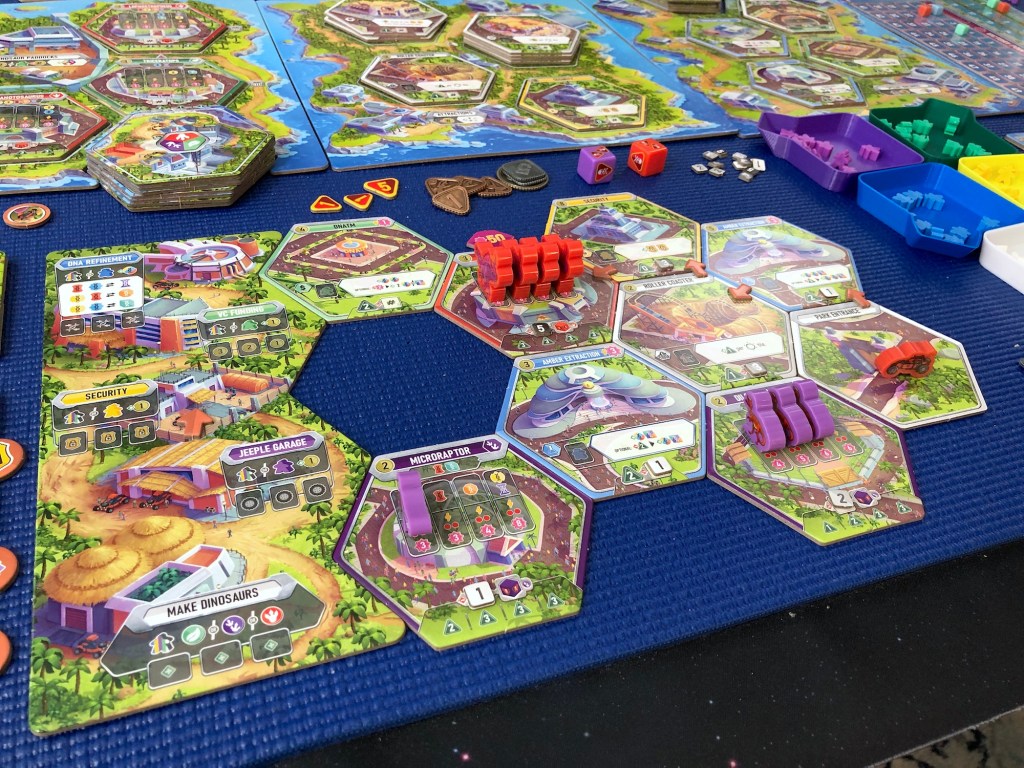
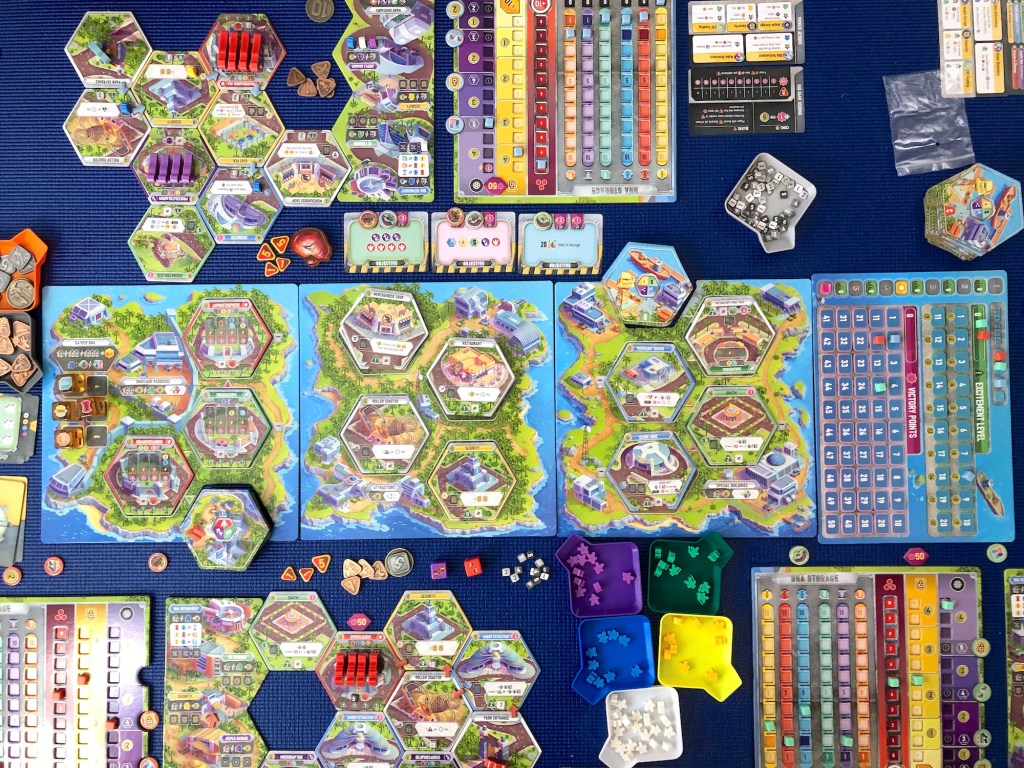
After recently watching the Jurassic World movies (just the first two), I was a bit in the mood for a dinosaur park game. We’ve played DinoGenics several times, and it’s on my top 100, but I felt like trying a new one this time, and my friend also had Dinosaur World sitting unplayed for some time now.
I never had much interest in Dinosaur Island; just doesn’t really have much theme to it, and it’s focused so much on the DNA to buy dinosaurs and park management, the dinosaurs themselves barely played any role in the game. It’s a lot different in DW.
DW has a lot more going on, but that gives them more space to explore the more interesting aspects of the theme. For one, the dinosaurs now matter! The park management is also a lot more involved. You build a sort of engine with your park attractions because you only get to use tiles you visit with your jeep and they weaken each time you use them. There are some odd things about the game, like what the jeep income bonuses are supposed to represent or why your workers only go to work if a tour comes by to watch them? But it’s not that big of a deal.
And overall, I like how generous the game is with resources. If you need money or DNA, you can probably get what you need, you just might have to make inefficient moves to get it. But it means your plans are very rarely foiled by scarcity of resources. And most of the game is multiplayer solitaire (which none of us mind, and my brother vastly prefers that), so there’s little worry of other players getting in your way. The threat dice, however, can ruin your day on their own (as they cost me the game).
- Dinosaur World: 7/10 (first impressions) A surprisingly different Euro that holds up against DinoGenics; it might go up for me with more plays
Unmatched (T-Rex vs. Sherlock Holmes)
:strip_icc()/pic6838081.png)
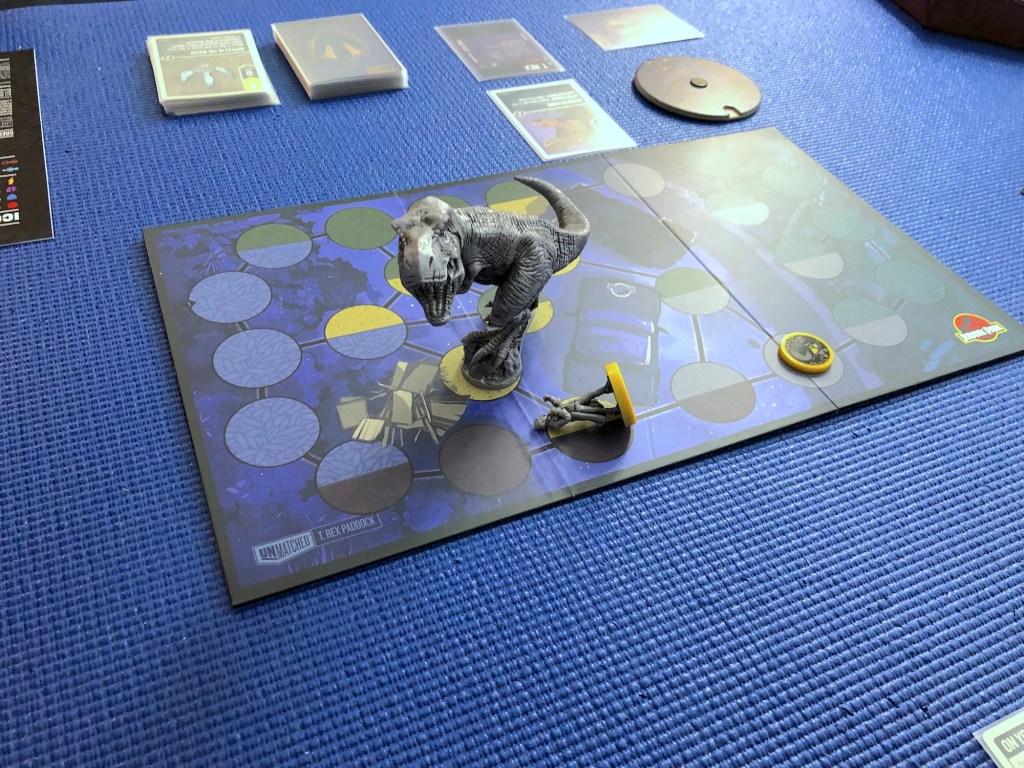
We had some time after DW, and we had recently talked about getting Unmatched out more often, so it made sense to play it. And of course, to follow up Dinosaur World, I picked the T-Rex as my fighter. We thought it was time to get weird with our match-ups and my friend picked Sherlock Holmes.
Both were pretty straightforward fighters (Sherlock doesn’t even have special rules). The T-Rex is just big, has extra melee reach, but its cards are very different. It hurts itself a lot (but starts with a massive health pool) but can also earn extra actions a lot and boost attacks (terrifying). It also has some pretty good boosting since its normal movement is only 1 (though it has some fun ways of appearing seemingly out of nowhere, what I’m sure was a nod to its suspicious appearance at the end of the original movie).
Sherlock apparently does a lot of guessing and can do all sorts of things if he gets it right. Didn’t save him from getting eaten by a T-Rex.
- Unmatched: 8/10 A breezy skirmish game with loads of fun variation
- Jurassic Park (T-Rex): 9/10 I’m definitely playing the T-Rex next time we play the co-op mode

 Thomas P. King, author and game designer